
How to Know If You Have Gynaecomastia or Just Chest Fat
Have you noticed puffiness, fullness, or a soft bulge in your chest? Many men wonder whether what they’re seeing is just fat or something called gynaecomastia. While both conditions can make the chest look enlarged, the causes and treatments are completely different. Understanding the difference is essential to know whether exercise and diet will help, or whether you need to explore gynaecomastia surgery in Hyderabad for permanent correction. In this blog, we’ll explore how to identify whether you have gynaecomastia or chest fat, what signs to look for, and when to seek medical advice.
What is Gynaecomastia?
Gynaecomastia is the medical condition where a male develops excess glandular breast tissue, typically caused by hormonal imbalance. When testosterone levels drop and estrogen levels rise, breast tissue can begin to grow. This condition can affect one or both sides of the chest and often leads to puffiness, tenderness, and embarrassment.
Gynaecomastia may appear in:
 Teenagers going through puberty
- Adult men due to hormonal changes
- Men who use anabolic steroids or certain medications
- Men with medical conditions affecting hormones or the liver
Unlike fat, glandular tissue is firm and cannot be reduced by weight loss or exercise. That’s why many men turn to male chest correction surgery for a permanent solution.
What is Chest Fat?
Chest fat, often mistaken for gynaecomastia, is simply the accumulation of fatty tissue in the chest. It is most common in overweight or obese men. Chest fat typically spreads across the chest and feels soft to touch. It does not cause pain or tenderness, and it reduces with consistent weight loss, cardio exercise, and strength training.
Chest fat does not involve glandular tissue and usually does not require surgical correction unless it causes skin sagging after significant fat loss.
How to Tell the Difference Between Gynaecomastia and Chest Fat
Here are the key signs that may help you distinguish gynaecomastia from regular chest fat:
- Feel the Tissue: Gynaecomastia often feels like a firm, rubbery mass right under the nipple. Chest fat, on the other hand, feels soft, loose, and spread across a wider area of the chest.
- Check for Nipple Puffiness: If your nipples appear puffed out or dome shaped, especially when relaxed or lying down, this may be a sign of gynaecomastia. Chest fat usually does not create that pointed nipple shape.
- Tenderness or Pain: Gynaecomastia may be accompanied by soreness or sensitivity when touched. Chest fat does not typically hurt.
- One Side vs Both Sides: Gynaecomastia may affect only one side of the chest, causing asymmetry. Fat accumulation usually affects both sides more evenly.
- Weight Loss Response: If you lose weight but the chest puffiness remains the same, it’s likely due to gland tissue. Chest fat decreases with overall fat loss through exercise and a proper diet.
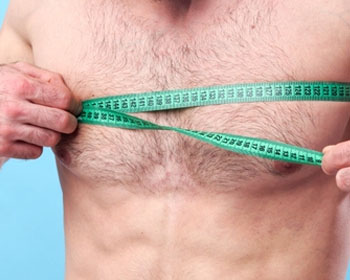
Self-Check at Home: What You Can Do
If you’re unsure about what’s causing your chest enlargement, here are some steps you can take at home:
-
Feel the Tissue: Gynaecomastia often feels like a firm, rubbery mass right under the nipple. Chest fat, on the other hand, feels soft, loose, and spread across a wider area of the chest.
-
Observe During Exercise or Lying Down: Gynaecomastia often becomes more noticeable when lying flat or performing chest workouts, as the muscle pushes the gland forward. Chest fat, in contrast, usually shifts or flattens when lying down.
-
Track Changes With Weight Loss: If you are actively losing weight but your chest stays the same, especially under the nipple, you may be dealing with gynaecomastia.